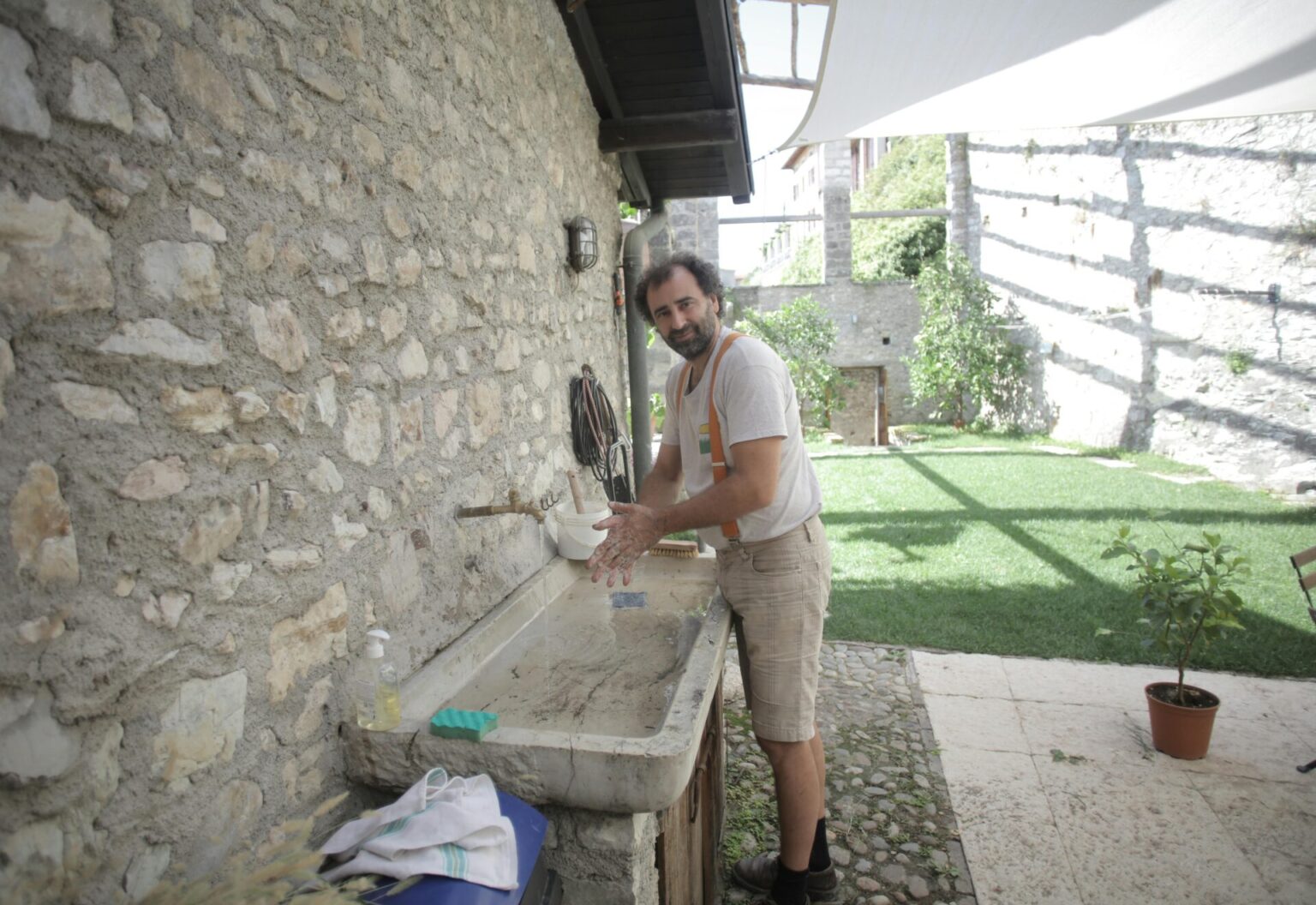
How to Make a Durable Outdoor Sink for Your Garden or Patio | Complete DIY Sink Installation Guide
Adding an outdoor sink to your garden or patio brings both practicality and charm to your outdoor living space. Whether you’re washing fresh vegetables, cleaning tools, or prepping for a cookout, a durable outdoor sink helps keep the mess outside and your indoor kitchen spotless.
In this complete diy outdoor sink installation guide, you’ll learn step-by-step how to build a weather-resistant outdoor sink, connect the plumbing, and ensure proper drainage even if you’ve never done plumbing work before.
Installing an outdoor sink is a practical addition that enhances your backyard’s beauty and functionality. Here’s why homeowners love it:
Convenience: No more running indoors to wash your hands or rinse tools.
Hygiene: Keeps outdoor messes outside, maintaining a cleaner indoor kitchen.
Efficiency: Saves time when cooking, gardening, or cleaning outdoors.
Eco-Friendly: You can reuse greywater for plants or link the sink to a rain barrel system.
Added Value: Enhances your outdoor living space and home resale appeal.
Materials & Tools You’ll Need
Before beginning your DIY outdoor sink installation, prepare the right materials and tools for durability and success.
Materials
Sink basin (stainless steel, ceramic, or stone)
Outdoor faucet
Wood, metal, or concrete for the frame
PVC pipes or flexible hose
Hose connector and fittings
Waterproof sealant or silicone
Screws, bolts, and nails
Concrete or paving stones for support
Tools
Power drill
Wrench and pliers
Saw (for cutting wood or metal)
Measuring tape and level
Hacksaw (for PVC pipes)
Step-by-Step DIY Outdoor Sink Installation Guide
Step 1: Choose the Right Location
Pick a flat, well-drained spot near a water source. Avoid areas that flood easily or receive full sunlight all day shade helps protect your sink from wear.
Step 2: Build the Frame
Cut your frame pieces to desired dimensions (typically 3x3 ft).
Assemble using screws or bolts and ensure it’s level.
Reinforce with support beams underneath for stability.
Place concrete or paving blocks beneath the legs.
Step 3: Install the Sink Basin
Cut a sink opening in the top panel of your frame.
Fit the sink snugly into place and seal edges with silicone.
Attach the drain outlet using a PVC pipe or flexible tubing.
Step 4: Connect the Water Supply
Attach your sink to a water source such as an outdoor faucet or garden hose. Use hose connectors or fittings to ensure a tight, leak-free connection. Add a shut-off valve for easy control.
Step 5: Set Up Drainage
Gravel Pit Drainage: Create a small trench filled with gravel to allow water to disperse naturally.
Rain Barrel Connection: Redirect water to a collection barrel for reuse in your garden.
Direct Drain: Connect the PVC outlet to your home’s main drainage or a dry well.
Step 6: Add Finishing Touches
Paint or seal wooden parts with outdoor-grade varnish.
Install shelves underneath for cleaning supplies or pots.
Add decorative elements like potted plants or tiles.
Step 7: Test Your Sink
Turn on the water to check for leaks and confirm the drainage works properly. Adjust fittings and sealants as needed to ensure a fully functional, weatherproof outdoor sink.
Maintenance Tips for Your Outdoor Sink
Rinse the sink regularly to prevent residue buildup.
Apply waterproof sealant annually.
Use stainless-steel fittings to avoid rust.
Cover your sink when not in use to extend lifespan.
Key Takeaways
Building a DIY outdoor sink is simple and budget-friendly.
Focus on durability, proper plumbing, and drainage.
Use weatherproof materials for longevity.
Add personal touches to match your outdoor décor.
Regular maintenance ensures lasting performance.
Conclusion
Building a durable outdoor sink for your garden or patio is a satisfying project that improves convenience, cleanliness, and outdoor functionality. With the right materials, planning, and simple plumbing connections, you can enjoy a fully functional outdoor sink that lasts for years making outdoor living more enjoyable and efficient.

 Visit For More Info On Complete DIY Sink Installation Guide